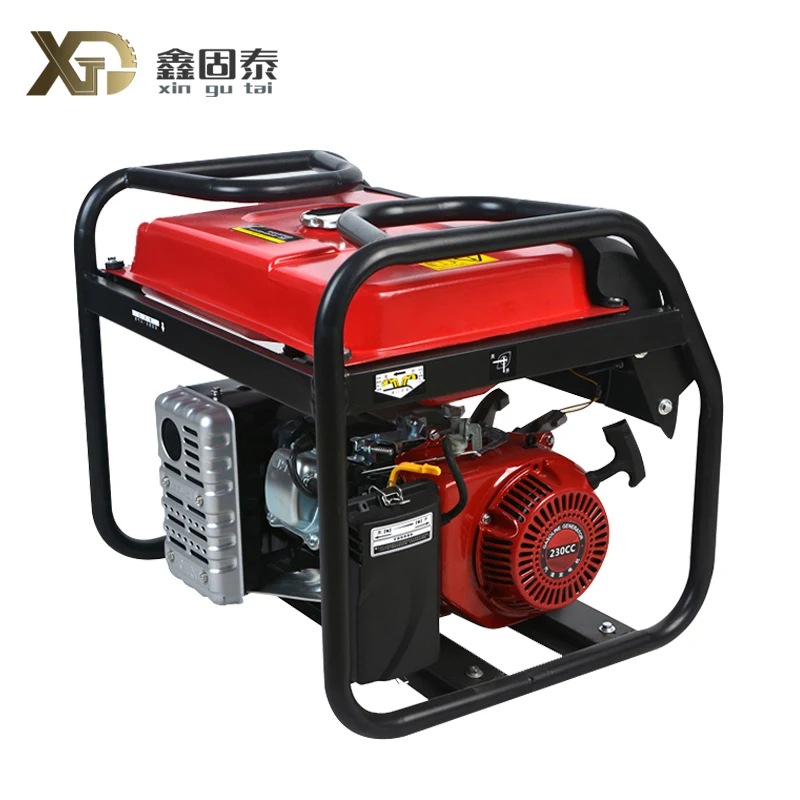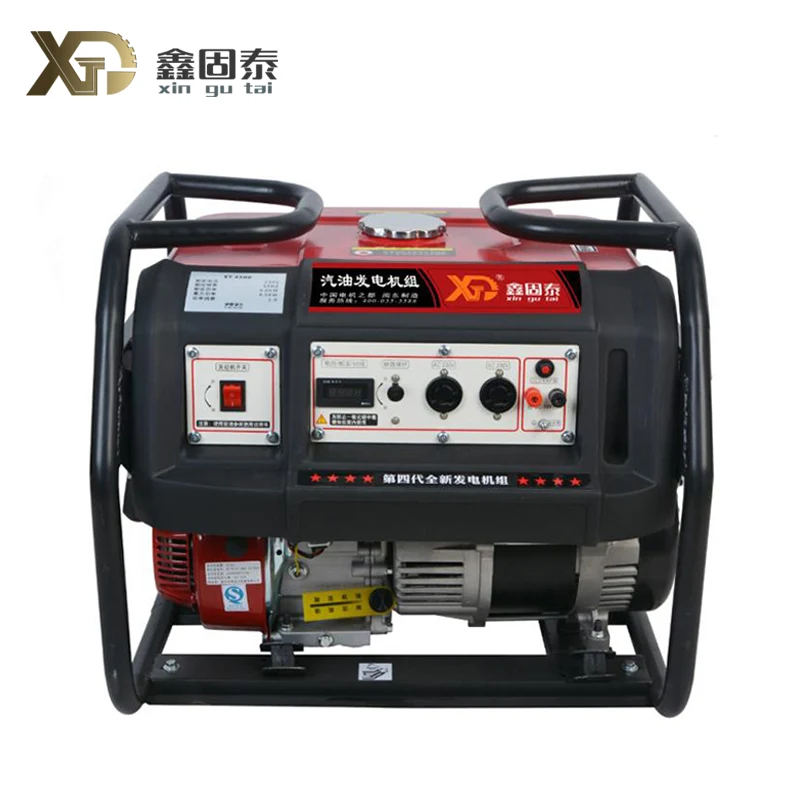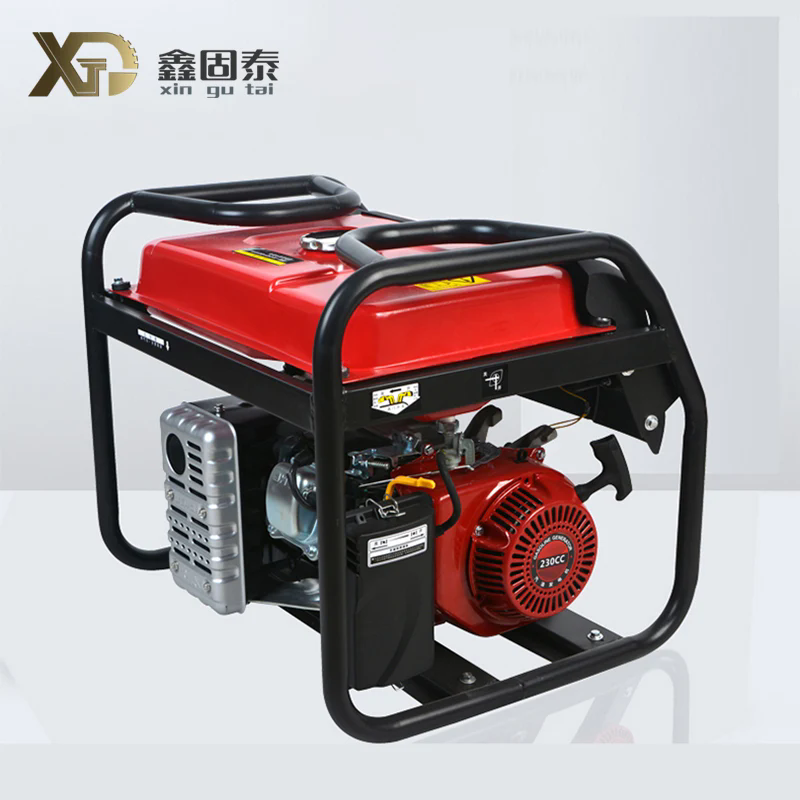
How Gas Generator Works?
Abstract
Gas generators are widely used in industrial, commercial, and emergency power applications due to their efficiency, reliability, and cleaner combustion compared with traditional fuel-based systems. However, many buyers face challenges such as unclear operating principles, improper sizing, unstable output, maintenance concerns, and long-term cost control. This article provides a comprehensive explanation of how gas generators work, their core components, application scenarios, selection criteria, and maintenance practices. The goal is to help decision-makers clearly understand performance factors and make informed purchasing and operational decisions.
Outline
- Understanding the Working Principle of a Gas Generator
- Key Components and Their Functions
- Main Types of Gas Generators
- Common Customer Pain Points and Practical Solutions
- Applications Across Industries
- Selection Guide: How to Choose the Right Gas Generator
- Operational and Maintenance Considerations
- Frequently Asked Questions
- Conclusion and Business Support
Table of Contents
- How a Gas Generator Operates
- Core Components Explained
- Types of Gas Generators
- Customer Pain Points
- Industry Applications
- How to Select the Right Model
- Operation and Maintenance
- FAQs
- Conclusion
How a Gas Generator Operates
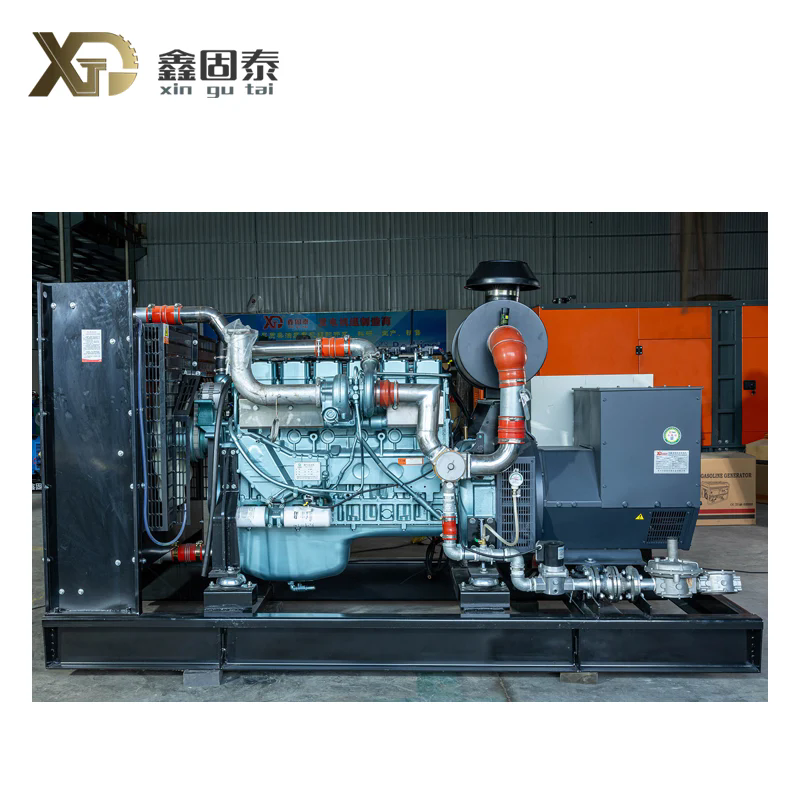
A gas generator converts chemical energy stored in gaseous fuel into electrical energy through controlled combustion. Common fuels include natural gas, biogas, landfill gas, and coal-bed methane. The process begins when gas enters the engine and mixes with air in a precise ratio. This mixture is ignited inside the combustion chamber, generating mechanical energy that drives the crankshaft. The crankshaft, in turn, rotates the alternator to produce electricity.
Compared with diesel systems, gas generators offer smoother combustion, lower emissions, and more stable output. These advantages make them suitable for continuous operation and environmentally sensitive projects.
Core Components Explained
Understanding the main components helps users evaluate quality and long-term reliability.
| Component | Function |
|---|---|
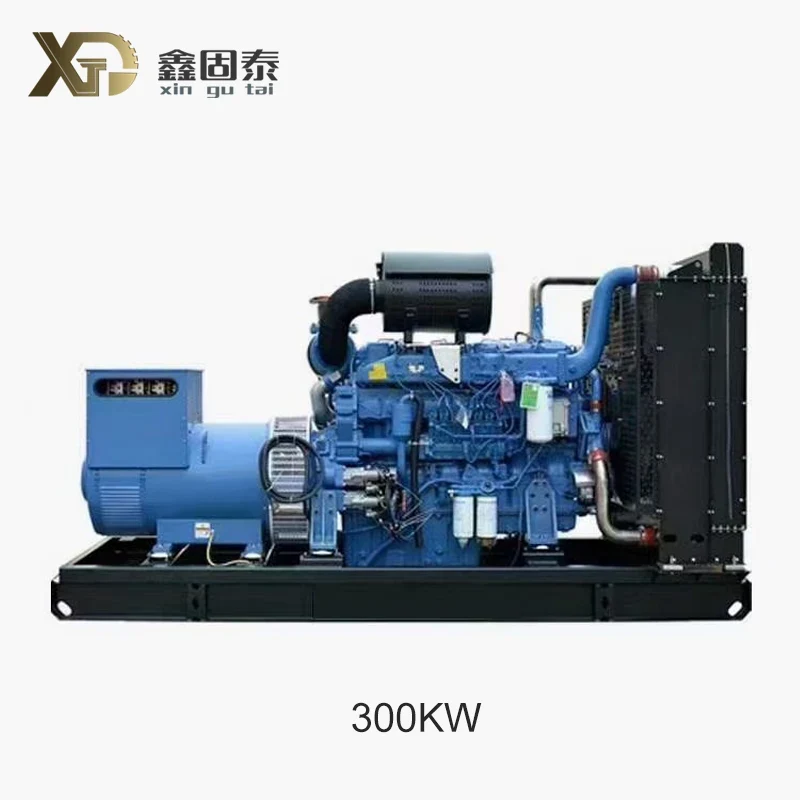
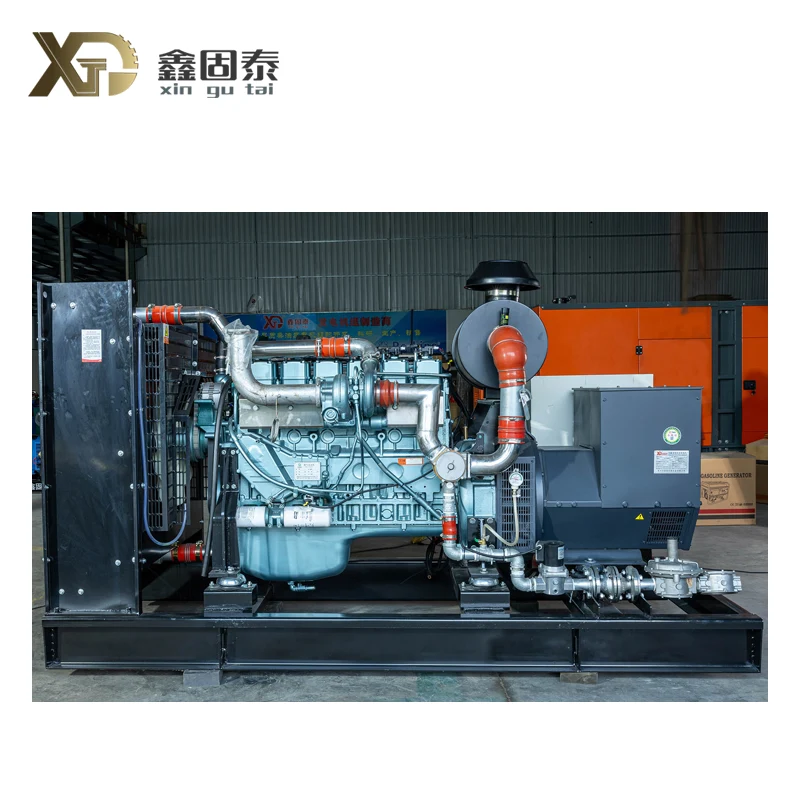
| Gas Engine | Converts fuel energy into mechanical power through combustion |
| Alternator | Transforms mechanical rotation into electrical output |
| Gas Supply System | Controls pressure, filtration, and fuel flow stability |
| Cooling System | Maintains optimal operating temperature |
| Control Panel | Monitors voltage, frequency, load, and safety parameters |
Types of Gas Generators
Gas generators can be classified based on fuel source and operational design.
- Natural Gas Generators – Suitable for urban and industrial environments with stable pipeline access.
- Biogas Generators – Commonly used in agricultural waste treatment and wastewater facilities.
- Landfill Gas Generators – Designed for low-calorific and variable gas compositions.
- Coal Mine Gas Generators – Built with enhanced safety and explosion-proof configurations.
Customer Pain Points and Practical Solutions
Many buyers encounter similar challenges when investing in gas generator systems.
- Unstable Power Output – Often caused by inconsistent gas quality. A proper gas pretreatment system can significantly improve stability.
- High Maintenance Costs – Selecting engines with proven durability and accessible spare parts reduces long-term expenses.
- Improper Capacity Selection – Oversized units waste fuel, while undersized units reduce lifespan. Accurate load analysis is essential.
- Compliance Concerns – Choosing systems designed for local environmental and safety standards avoids operational risks.
Industry Applications
Gas generators are widely adopted across multiple sectors due to their operational flexibility.
- Manufacturing plants requiring continuous power supply
- Hospitals and data centers as backup or prime power sources
- Agricultural facilities utilizing organic waste gas
- Remote energy projects without access to conventional grids
How to Select the Right Model
Choosing the correct gas generator involves evaluating several technical and operational factors.
| Selection Factor | Key Consideration |
|---|---|
| Power Requirement | Assess peak and continuous load demands |
| Fuel Type | Match generator design with available gas composition |
| Operating Hours | Continuous or standby operation impacts engine choice |
| Installation Environment | Indoor or outdoor conditions affect enclosure and cooling |
Operation and Maintenance
Proper operation and routine maintenance extend service life and ensure stable performance.
- Conduct regular inspections of gas pressure and filtration systems
- Monitor oil quality and replace according to operating hours
- Keep cooling systems clean to prevent overheating
- Use monitoring systems to detect abnormal vibration or temperature
Frequently Asked Questions
Q1: Is a gas generator suitable for continuous operation?
Yes. When properly designed and maintained, gas generators can operate continuously for extended periods, making them suitable for prime power applications.
Q2: What gas quality is required for stable performance?
Stable calorific value, controlled moisture content, and minimal impurities are essential. Pretreatment systems are recommended for variable gas sources.
Q3: How does a gas generator compare with diesel alternatives?
Gas generators typically offer lower emissions, reduced noise, and smoother operation, while also benefiting from fuel cost advantages in many regions.
Conclusion
Understanding how a gas generator works is essential for selecting the right system, minimizing operational risks, and maximizing return on investment. From fuel compatibility to maintenance planning, each factor plays a critical role in long-term performance. By choosing reliable equipment and professional support, businesses can achieve stable, efficient, and sustainable power generation.
Gutai Machinery provides comprehensive gas generator solutions designed for diverse industrial and commercial needs. For tailored configurations, technical consultation, or long-term support, please contact us to explore how a reliable gas generator system can support your power strategy.
Related News
- Characteristics of Yuchai generator set.
- Maintenance of 400KW diesel generator set.
- Advantages and functions of gasoline generator.
- Why Low Noise Gasoline Generators Are Gaining Popularity in Home Backup Power
- Why North America Holds ~40% of the Global Gasoline Generator Market as Extreme Weather Events Drive Backup Power Adoption
- How Can a Small Gasoline Generator Provide Reliable Power Anytime and Anywhere?
Leave me a message