Why Low Noise Gasoline Generators Are Gaining Popularity in Home Backup Power
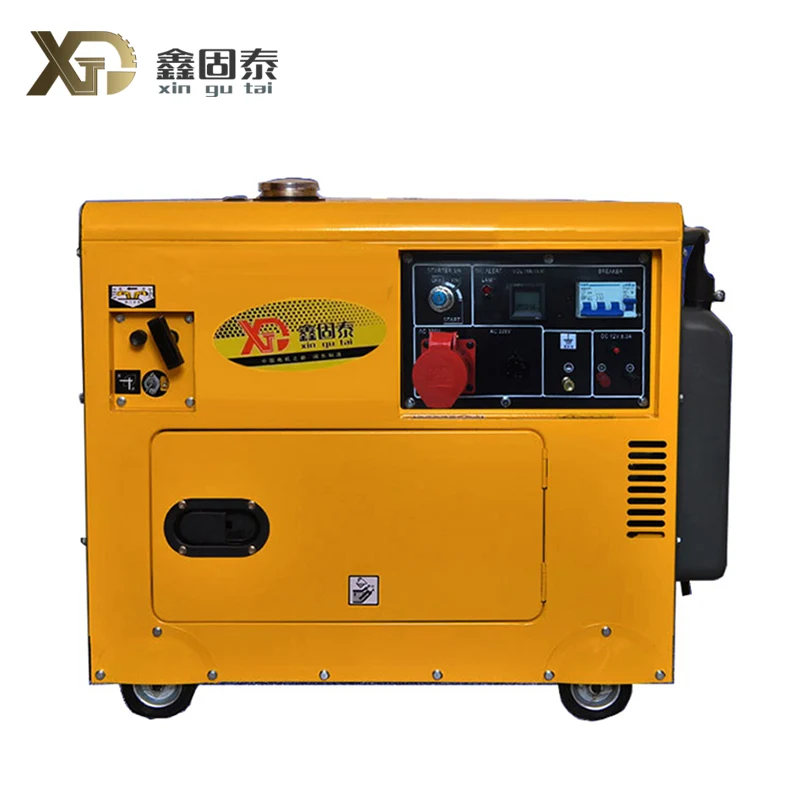
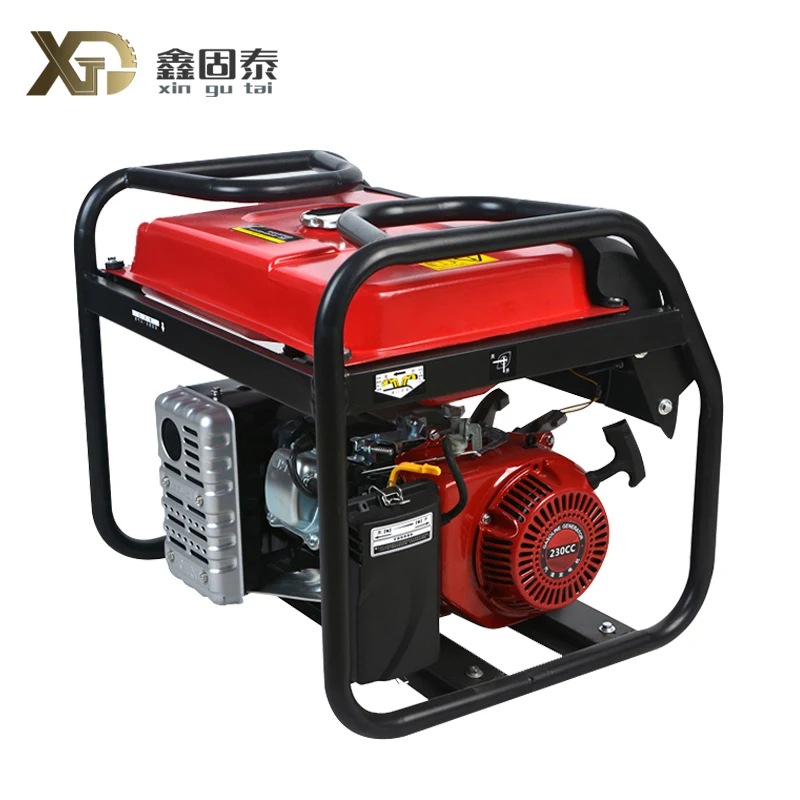
Power interruptions have become a growing concern for many households as extreme weather, aging infrastructure, and increasing electricity dependence affect daily life. Low Noise Gasoline Generator technology is attracting attention because it addresses a practical challenge: maintaining backup power without creating excessive noise in residential environments.
In the past, many household backup power systems focused mainly on electricity output and operating time. However, modern users are paying more attention to comfort, neighborhood noise levels, and the overall experience during power outages. This shift has encouraged the development of quieter generator technologies designed for residential applications.
Changing Expectations for Home Backup Power
Electricity is now essential for almost every part of modern household life. Refrigerators, heating and cooling systems, communication equipment, security devices, and home offices all rely on stable power.
When outages occur, households need a temporary energy source that can provide support without significantly affecting daily activities. Traditional generators were often associated with loud engine sounds, which limited their use in residential areas, especially during nighttime operation or in communities with strict noise considerations.
The growing popularity of quieter generator designs reflects a change in user expectations. Backup power equipment is no longer evaluated only by its ability to produce electricity. Noise control, portability, fuel efficiency, and ease of operation have become important factors in household energy planning.
Why Noise Reduction Matters in Residential Areas
Noise has become an important consideration as more people work remotely and spend more time at home. A generator operating near a house, apartment, or recreational area can influence the surrounding environment if sound levels are not properly controlled.
Low-noise technology focuses on reducing operating sound through improvements in engine design, enclosure structures, vibration control, and exhaust systems. These developments help create a more balanced relationship between power availability and residential comfort.
| Noise-Related Challenge | Effect on Households | Technology Response |
|---|---|---|
| Engine vibration | Creates additional sound during operation | Improved vibration reduction systems |
| Exhaust noise | Increases overall operating volume | Optimized exhaust structures |
| Long operating periods | Causes continuous background noise | Better sound insulation designs |
| Close residential spaces | May affect nearby residents | Compact and quieter equipment layouts |
The Role of Portable Power During Weather Events
Extreme weather events are one of the major reasons behind increased interest in home backup electricity. Storms, heavy snowfall, heat waves, and other emergencies can temporarily affect local power networks.
During these situations, households often need electricity for essential equipment rather than complete energy independence. A portable backup system can help maintain basic functions such as lighting, food storage, communication, and emergency devices.
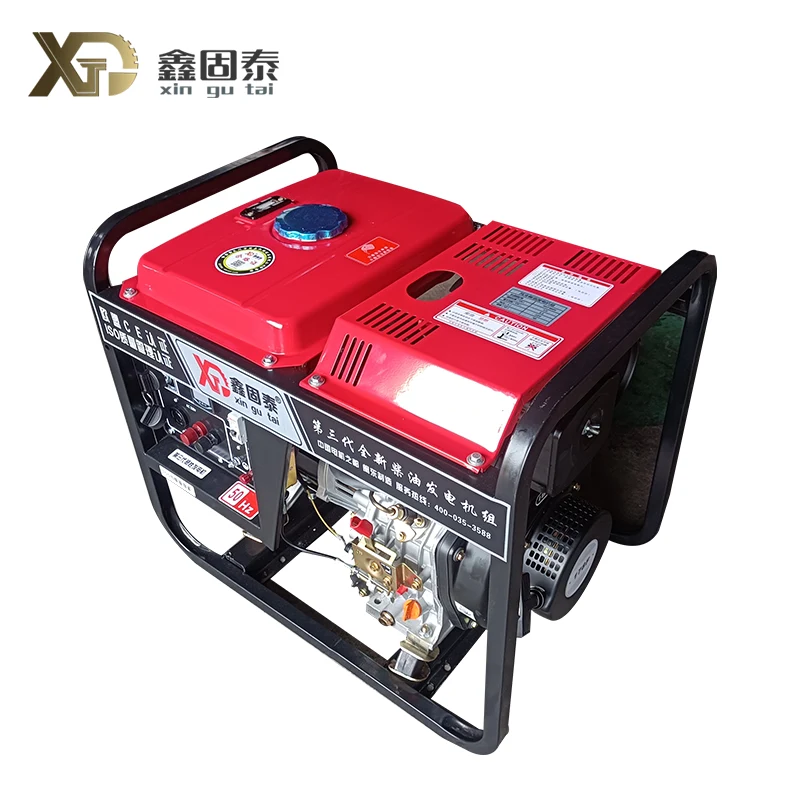
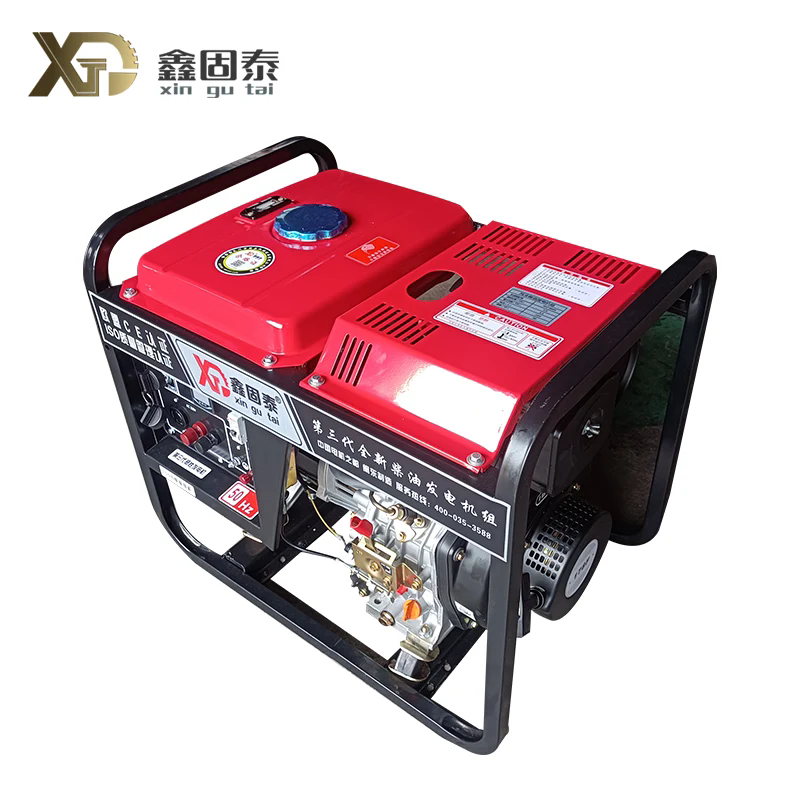
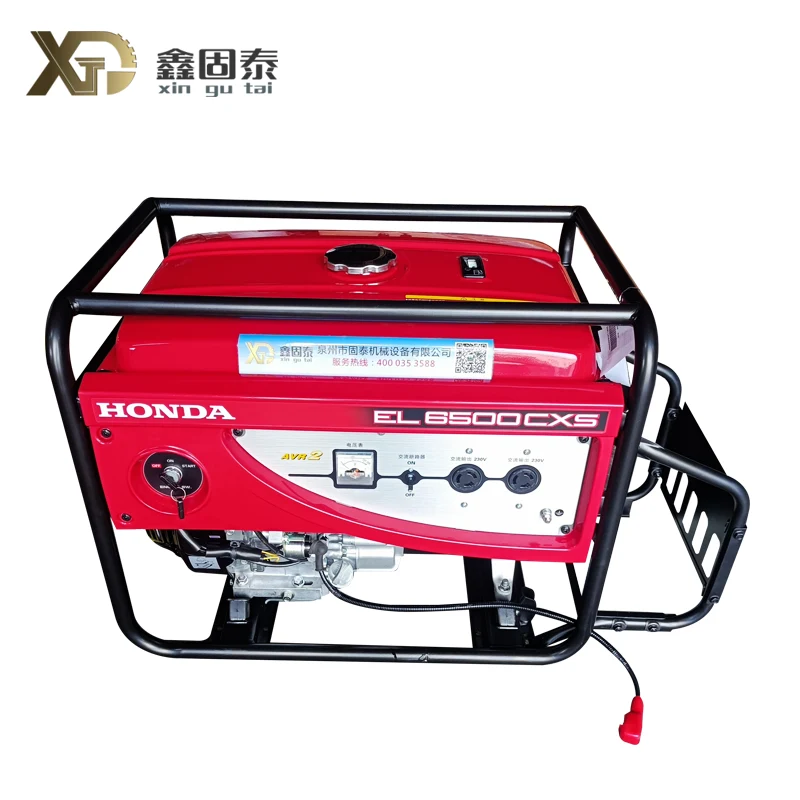
A Low Noise Gasoline Generator provides an option for situations where users need both mobility and reduced sound impact. Its design is particularly suitable for short-term power requirements, outdoor activities, and residential backup scenarios where operating conditions may change frequently.
Technology Trends Behind Quieter Generator Development
The generator industry has continued to improve through advances in mechanical design and control technology. Manufacturers and engineers are exploring ways to improve efficiency while reducing unwanted noise emissions.
Several development trends are shaping the next generation of household power equipment:
Improved Engine Efficiency
Modern engines are designed to operate more smoothly, helping reduce mechanical vibration and unnecessary fuel consumption. More efficient combustion systems also contribute to more stable performance.
Compact Sound Control Structures
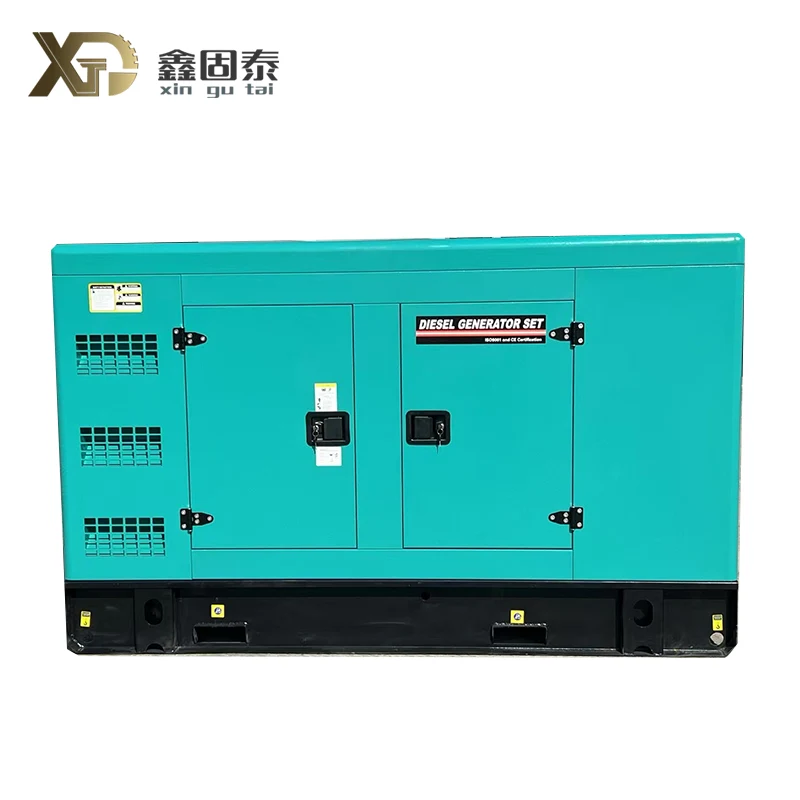
Generator housing designs increasingly include materials and structures that help reduce sound transmission. These improvements allow equipment to maintain practical power output while creating a quieter operating environment.
Smarter Operation Management
Digital monitoring systems are becoming more common in power equipment. Features such as operating status monitoring, automatic shutdown protection, and improved control interfaces help users manage equipment more easily.
Expanding Applications Beyond Emergency Use
Although backup power remains the primary reason many households consider generator equipment, applications are expanding into other areas.
Outdoor recreation is one example. Camping, mobile workstations, and remote activities often require independent electricity sources while maintaining a comfortable environment. In these situations, noise level becomes an important factor because outdoor spaces are usually shared with others.
Small businesses, workshops, and temporary construction locations also benefit from quieter power equipment. Reduced noise can create better working conditions, especially in areas close to residential communities.
Key Factors When Considering Residential Backup Power
Choosing suitable backup power equipment involves more than checking power output. Different households have different electricity requirements, operating environments, and expectations.
| Selection Factor | Reason for Consideration |
|---|---|
| Power capacity | Determines which household devices can operate |
| Noise level | Influences comfort and neighborhood impact |
| Fuel efficiency | Affects operating costs and runtime |
| Portability | Important for storage and flexible use |
| Maintenance needs | Impacts long-term operation |
These factors show how the backup power industry is moving toward more user-focused designs. Instead of simply providing electricity, modern systems are being developed around practical living conditions.
Future Development of Residential Generator Technology
As electricity becomes increasingly important in everyday life, backup power equipment will continue to evolve. Future improvements are expected to focus on lower emissions, smarter controls, quieter operation, and greater efficiency.
The demand for residential-friendly energy solutions reflects broader changes in how people think about power security. Homes, outdoor spaces, and small facilities all require equipment that can provide reliable electricity while fitting into modern living environments.
The growth of quieter generator technology shows that backup power is becoming more adaptable to residential needs. Low Noise Gasoline Generator systems represent this transition by combining practical electricity support with improved operating comfort, and Quanzhou Gutai Machinery Equipment Co., Ltd. continues to participate in the development of generator equipment for changing power requirements.
Related News
- Characteristics of Yuchai generator set.
- Maintenance of 400KW diesel generator set.
- Advantages and functions of gasoline generator.
- Why North America Holds ~40% of the Global Gasoline Generator Market as Extreme Weather Events Drive Backup Power Adoption
- How Can a Small Gasoline Generator Provide Reliable Power Anytime and Anywhere?
- How Does a Micro Gasoline Generator Work?
Leave me a message