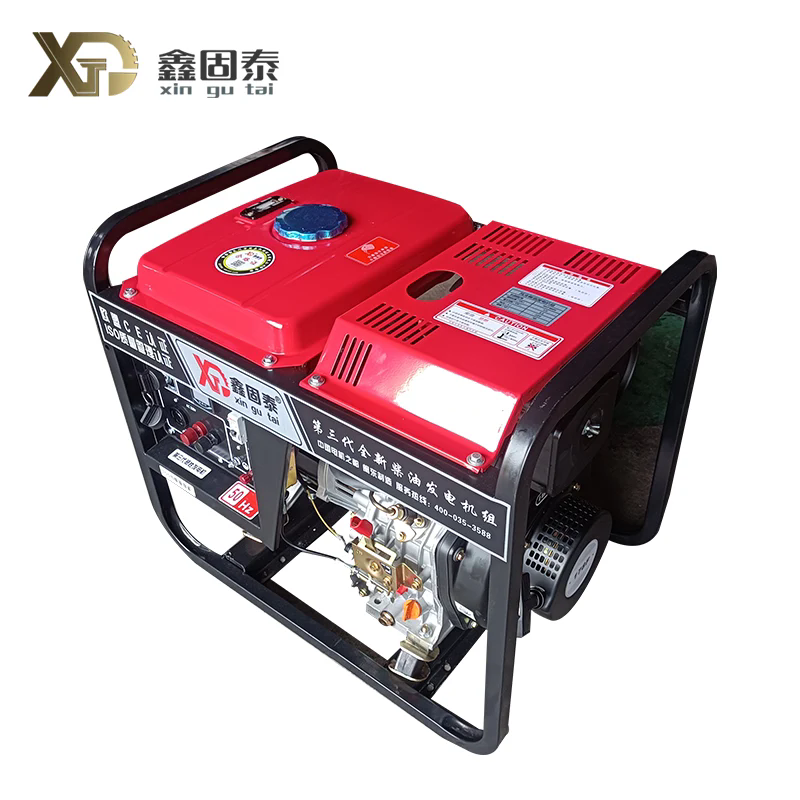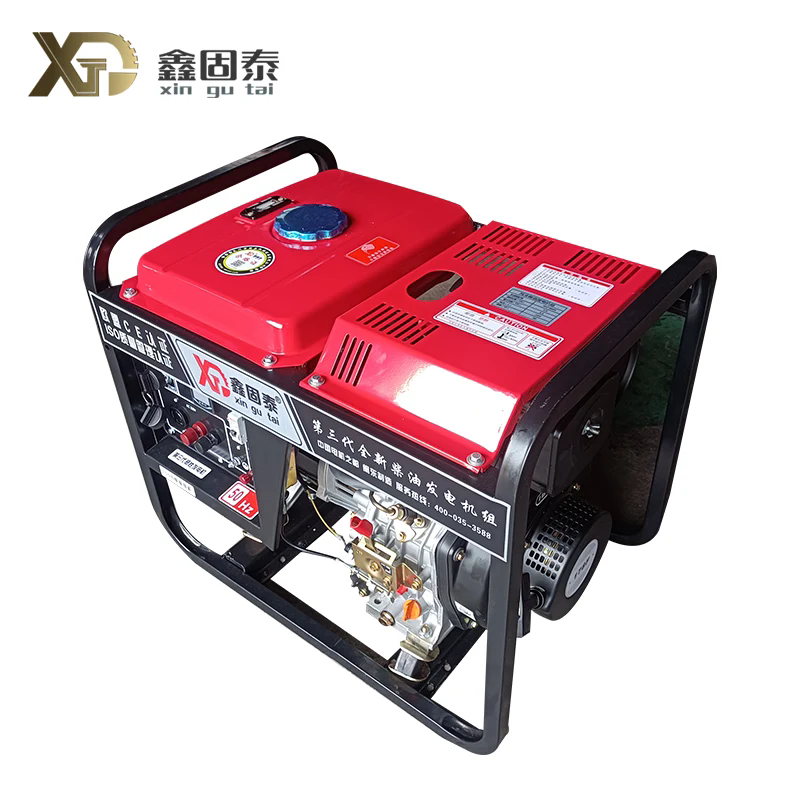
How Can a Small Gasoline Generator Provide Reliable Power Anytime and Anywhere?
Abstract
Power interruptions can happen unexpectedly, whether during outdoor activities, construction projects, emergency situations, marine operations, or remote work environments. A Small Gasoline Generator offers a practical, portable, and cost-effective solution for users who need dependable electricity wherever they go. This article explains how small gasoline generators work, their key advantages, how to select the right model, common customer concerns, maintenance recommendations, and why customized marine-style generator solutions are becoming increasingly popular. If you are searching for reliable backup power, this comprehensive guide will help you make an informed decision.
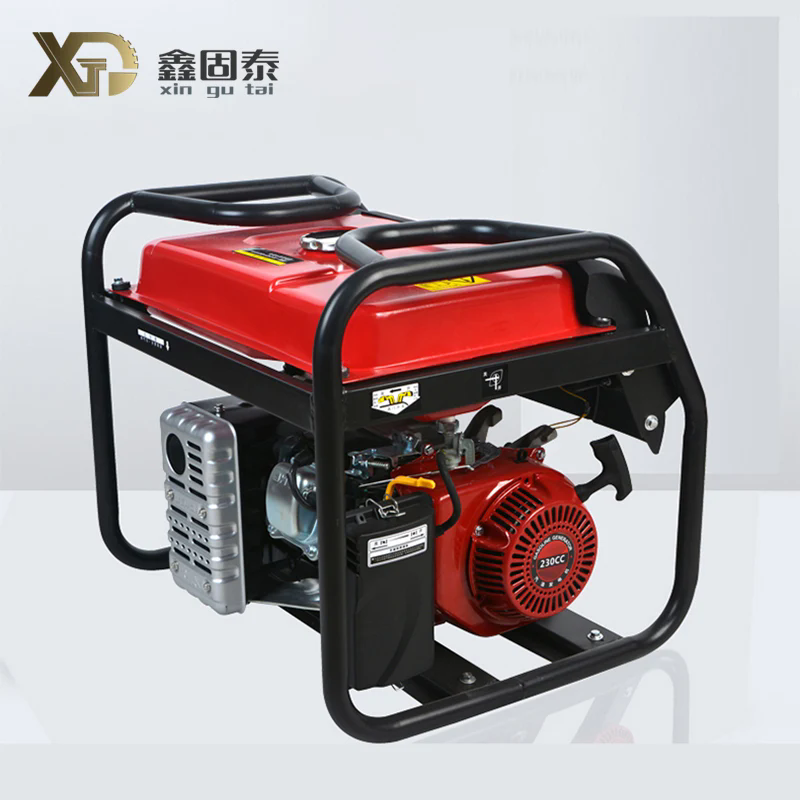
Table of Contents
- What Is a Small Gasoline Generator?
- How Does a Small Gasoline Generator Work?
- Why Are Small Gasoline Generators So Popular?
- Where Can Small Gasoline Generators Be Used?
- How Do You Choose the Right Generator?
- Generator Selection Comparison Table
- Why Is Marine-Style Customization Important?
- How Can You Extend Generator Lifespan?
- Common Buying Mistakes to Avoid
- FAQ
- Conclusion
Article Outline
- Introduction to Small Gasoline Generators
- Operating Principles
- Main Advantages
- Application Scenarios
- Buying Guide
- Marine Customization Benefits
- Maintenance Tips
- Frequently Asked Questions
- Final Recommendations
What Is a Small Gasoline Generator?
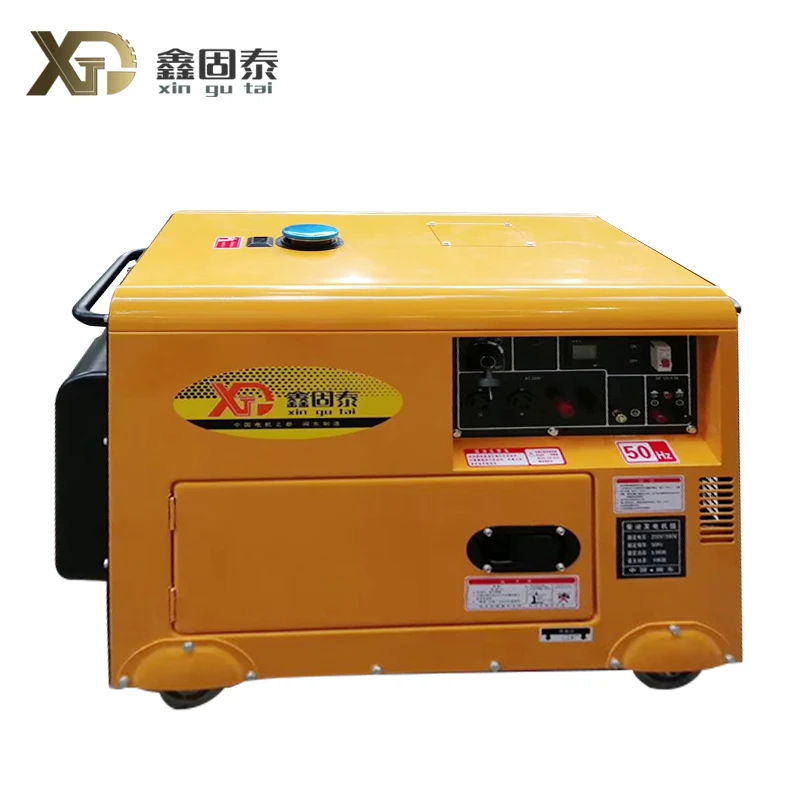
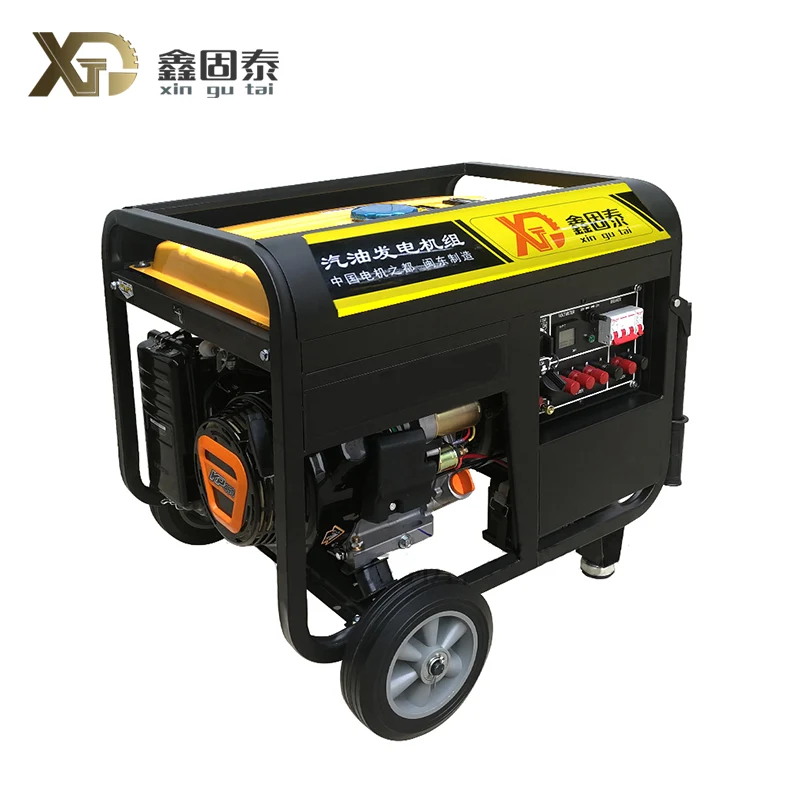
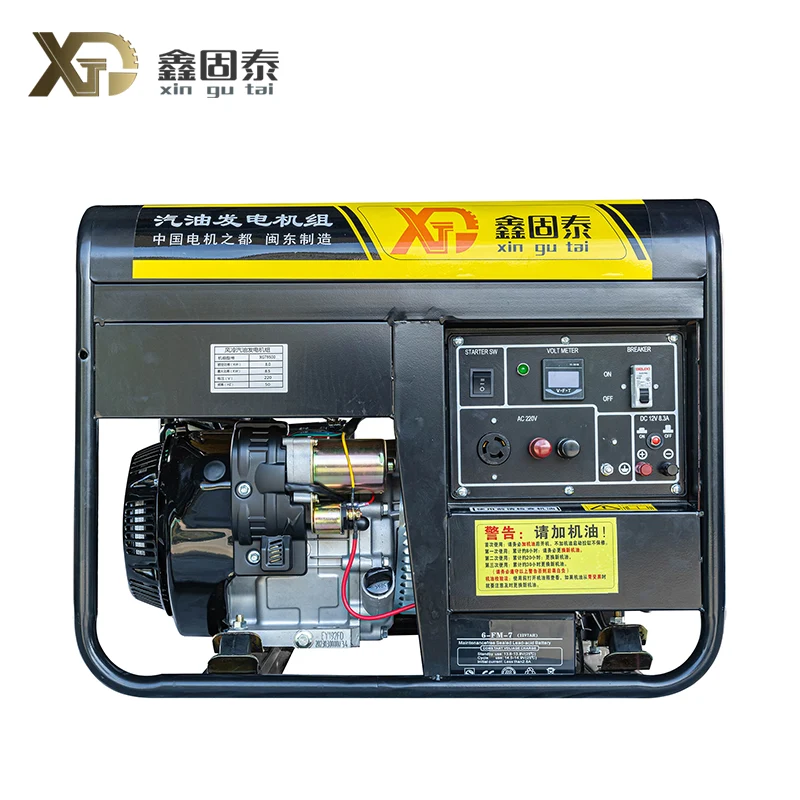
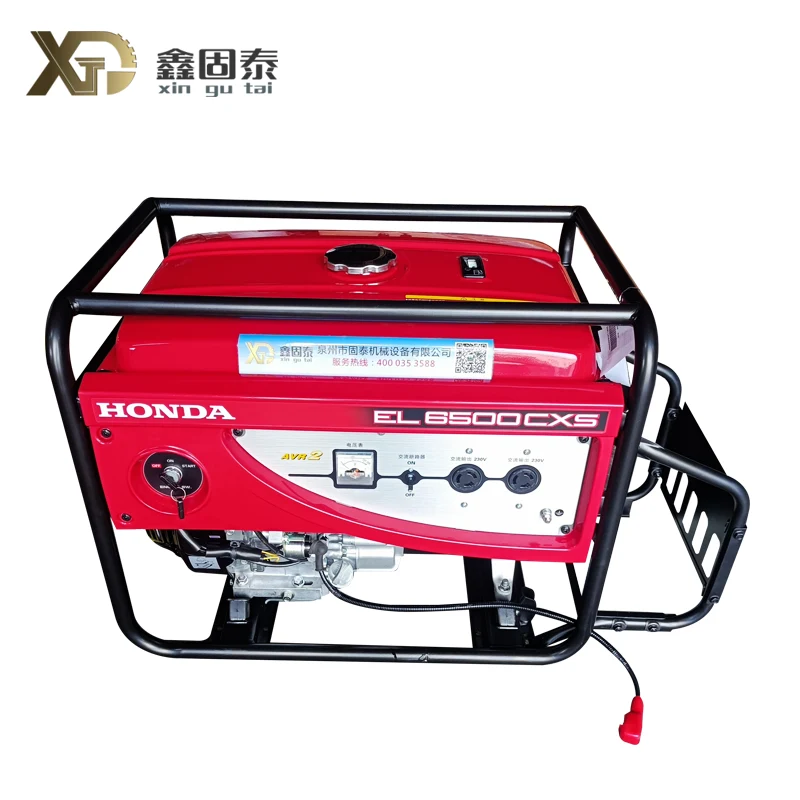
A Small Gasoline Generator is a compact power generation unit that converts gasoline into electrical energy. It combines an internal combustion engine with an alternator to provide electricity when utility power is unavailable or inaccessible.
Unlike large industrial generators, small gasoline generators are designed for portability, convenience, and rapid deployment. They are commonly used by homeowners, outdoor enthusiasts, contractors, emergency responders, and marine operators.
Modern generators have evolved significantly, offering improved fuel efficiency, lower noise levels, enhanced safety features, and stable power output suitable for sensitive electronic equipment.
How Does a Small Gasoline Generator Work?
Understanding the operating process helps users choose and maintain their equipment effectively.
- Gasoline is supplied to the engine.
- The engine burns fuel to create mechanical energy.
- The crankshaft rotates the alternator.
- The alternator converts mechanical energy into electricity.
- The voltage regulation system maintains stable power output.
- Electricity is delivered through output sockets for connected devices.
This straightforward operating principle allows small gasoline generators to provide reliable electricity in locations where power infrastructure is limited or unavailable.
Why Are Small Gasoline Generators So Popular?
Many customers face challenges such as unexpected power outages, remote jobsite requirements, and the need for portable backup energy. Small gasoline generators solve these problems efficiently.
Key Benefits
- Portability – Easy transportation and storage.
- Quick Startup – Immediate power when needed.
- Affordable Investment – Lower initial cost compared to larger systems.
- Versatile Applications – Suitable for residential, commercial, outdoor, and marine environments.
- Easy Fuel Availability – Gasoline is widely accessible.
- Reliable Backup Power – Maintains operations during emergencies.
- Compact Design – Saves storage space.
For users requiring temporary or mobile power, these advantages make small gasoline generators one of the most practical solutions available.
Where Can Small Gasoline Generators Be Used?
One reason for the growing popularity of small gasoline generators is their flexibility across different industries and environments.
| Application | Power Requirements | Benefits |
|---|---|---|
| Home Backup Power | Lights, refrigerators, fans | Maintains comfort during outages |
| Camping & Outdoor Activities | Portable appliances and charging devices | Convenient off-grid electricity |
| Construction Sites | Power tools and equipment | Supports productivity in remote locations |
| Agricultural Operations | Pumps and farm equipment | Reliable field operations |
| Emergency Response | Communication equipment | Critical backup power |
| Marine Applications | Navigation and onboard equipment | Dependable power on vessels |
The versatility of these generators makes them valuable across numerous industries.
How Do You Choose the Right Generator?
Selecting the correct generator is one of the biggest concerns for buyers. Choosing solely based on price often leads to performance issues and dissatisfaction.
Factors to Consider
- Required wattage capacity.
- Continuous versus peak power demand.
- Fuel tank size and runtime.
- Noise level requirements.
- Portability and weight.
- Environmental operating conditions.
- Safety protection systems.
- Customization requirements.
Before purchasing, list all equipment you intend to power simultaneously and calculate the total power requirement. This helps avoid under-sizing or over-sizing the generator.
Generator Selection Comparison Table
| Feature | Entry-Level Model | Mid-Range Model | Professional Model |
|---|---|---|---|
| Power Output | 1-2 kW | 2-5 kW | 5+ kW |
| Runtime | 4-6 Hours | 6-10 Hours | 10+ Hours |
| Mobility | Excellent | Very Good | Moderate |
| Applications | Camping | Home Backup | Commercial Use |
| Customization | Limited | Available | Extensive |
Why Is Marine-Style Customization Important?
Not all operating environments are the same. Standard generators may perform adequately on land but face significant challenges when exposed to marine conditions.
This is where marine-style customization becomes a major advantage.
Gutai understands that vessel owners, marine operators, and offshore users require equipment capable of handling demanding environments. Customized marine-style generators can be designed to address challenges such as:
- Saltwater corrosion exposure.
- High humidity environments.
- Continuous vibration conditions.
- Limited installation space.
- Specialized power requirements.
- Enhanced durability expectations.
By supporting boat-type customization, Gutai provides flexible solutions tailored to specific marine applications. This customized approach helps improve operational reliability while extending equipment service life under challenging conditions.
For customers working in maritime industries, fishing operations, leisure boating, and offshore environments, customized marine generator configurations can significantly improve long-term performance and operational efficiency.
How Can You Extend Generator Lifespan?
Proper maintenance is essential for maximizing reliability and minimizing downtime.
Recommended Maintenance Practices
- Check engine oil regularly.
- Use clean, high-quality gasoline.
- Inspect and replace air filters when necessary.
- Monitor spark plug condition.
- Keep cooling vents clean.
- Operate the generator periodically during storage.
- Store fuel safely and according to manufacturer recommendations.
- Perform scheduled inspections.
Routine maintenance not only extends equipment lifespan but also improves fuel efficiency and operational safety.
Common Buying Mistakes to Avoid
Many buyers encounter issues because they focus on price alone rather than overall value.
Avoid These Common Errors
- Purchasing insufficient power capacity.
- Ignoring startup surge requirements.
- Overlooking fuel consumption rates.
- Selecting generators without proper safety features.
- Failing to consider environmental conditions.
- Choosing non-customized solutions for marine applications.
- Neglecting maintenance planning.
Evaluating total ownership costs and operational requirements often leads to better long-term results than selecting the lowest-priced option.
FAQ
Q1: How long can a small gasoline generator run continuously?
Runtime depends on fuel tank capacity, load level, and engine efficiency. Many models can operate between 4 and 12 hours per fuel tank.
Q2: Can a small gasoline generator power sensitive electronics?
Yes. Many modern generators provide stable output suitable for charging devices, communication systems, and electronic equipment.
Q3: Is a small gasoline generator suitable for marine use?
Yes, especially when designed with marine-style customization features that improve resistance to corrosion, vibration, and humidity.
Q4: How often should maintenance be performed?
Routine inspections should be conducted regularly, while oil changes and component servicing should follow manufacturer recommendations.
Q5: Why choose a customized solution instead of a standard model?
Customized solutions better match unique operating environments, resulting in improved reliability, efficiency, and service life.
Conclusion
A Small Gasoline Generator remains one of the most practical solutions for portable and emergency power needs. Whether supporting residential backup power, outdoor activities, construction projects, agricultural operations, or marine applications, the right generator can provide dependable performance when electricity is most needed.
When selecting a generator, it is important to consider power requirements, runtime expectations, environmental conditions, maintenance needs, and future expansion plans. Choosing a trusted manufacturer that offers customization capabilities can significantly improve long-term value.
As a professional power equipment manufacturer, Gutai provides reliable generator solutions designed to meet diverse customer requirements. With strong engineering capabilities and support for boat-type customized generator solutions, Gutai helps customers achieve dependable power performance in demanding operating environments.
Looking for a dependable Small Gasoline Generator tailored to your specific application? Whether you need a standard portable unit or a customized marine-style solution, contact us today to discuss your project requirements and discover how Gutai can provide the ideal power solution for your business.
Related News
- Characteristics of Yuchai generator set.
- Maintenance of 400KW diesel generator set.
- Advantages and functions of gasoline generator.
- Why Low Noise Gasoline Generators Are Gaining Popularity in Home Backup Power
- Why North America Holds ~40% of the Global Gasoline Generator Market as Extreme Weather Events Drive Backup Power Adoption
- How Does a Micro Gasoline Generator Work?
Leave me a message