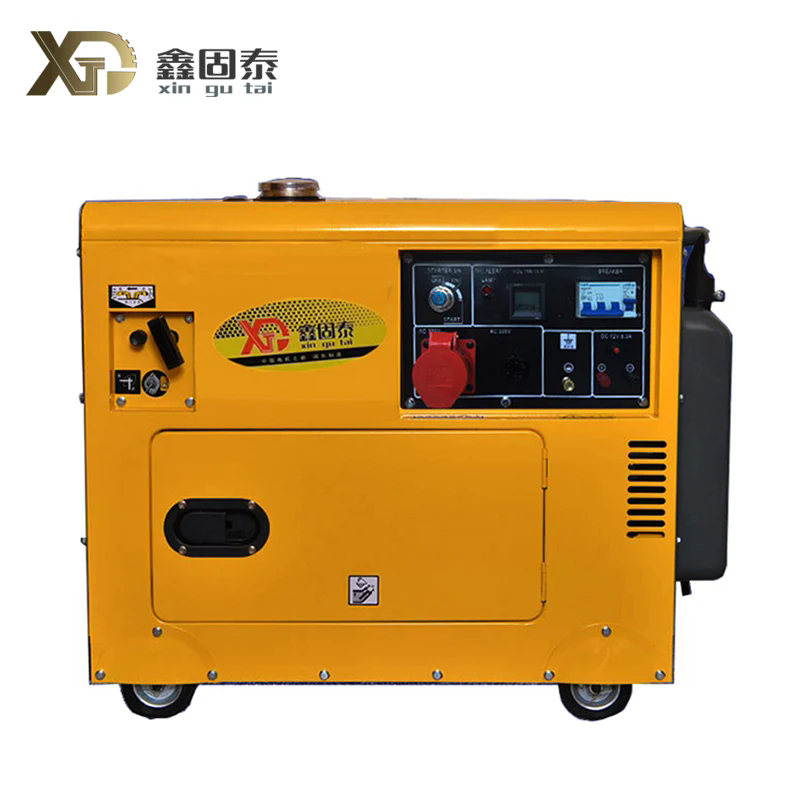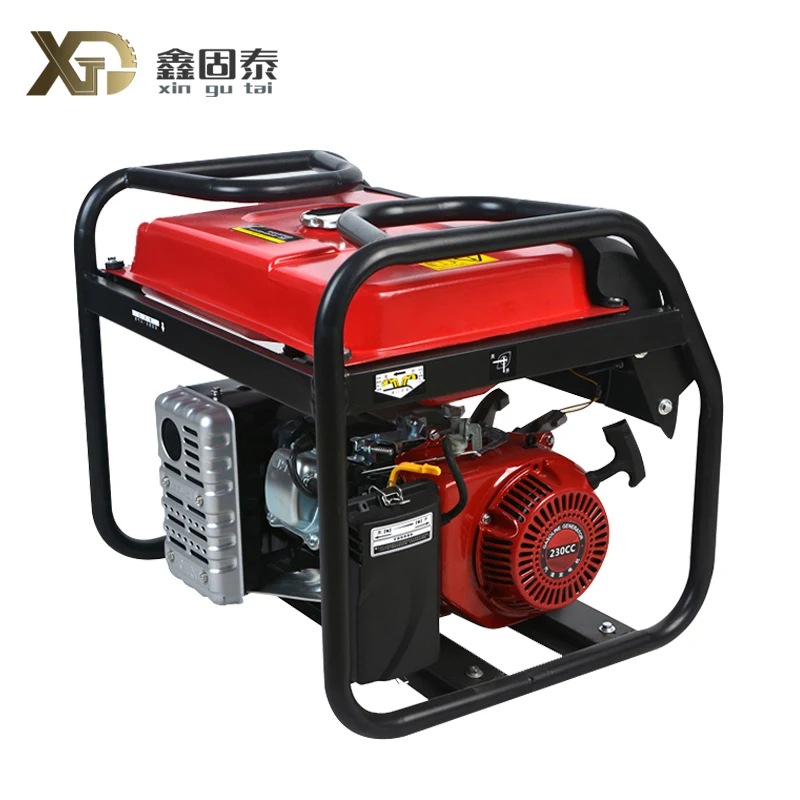
How Does a Household Gasoline Generator Provide Reliable Backup Power at Home?
Article Summary
Power interruptions can disrupt daily life, damage appliances, and create safety risks for households. A household gasoline generator offers a practical solution by delivering independent electricity when the main grid fails. This article explains how a household gasoline generator works, what components ensure stable performance, and how homeowners can choose the right generator for their needs. It also highlights key features, operating principles, and maintenance practices that improve reliability and efficiency. In addition, the article introduces the generator solutions provided by Gutai and addresses common questions homeowners often have when selecting backup power equipment.
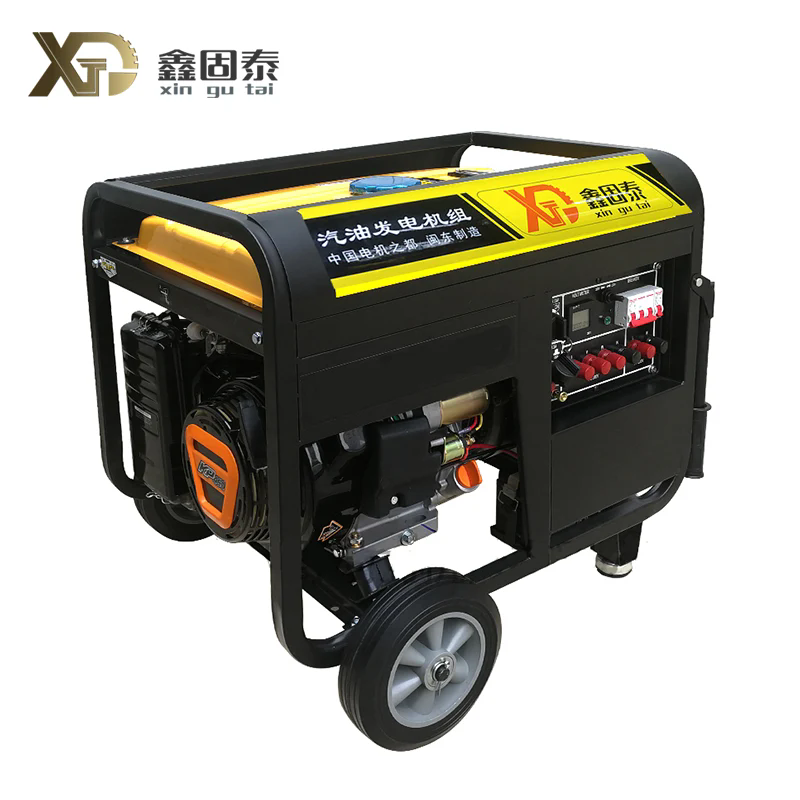
------------------------------------------------------------
Table of Contents
- 1. Why Homes Need a Household Gasoline Generator
- 2. How a Household Gasoline Generator Works
- 3. Main Components of a Household Gasoline Generator
- 4. Typical Technical Parameters
- 5. Key Advantages for Residential Use
- 6. How to Choose the Right Generator for Your Home
- 7. Safe Operation and Maintenance Tips
- 8. Frequently Asked Questions
- 9. Conclusion
------------------------------------------------------------
Article Outline
- Introduction to residential backup power needs
- Working principle of gasoline generators
- Structural components and functions
- Technical specifications and performance indicators
- Advantages for home power supply
- Selection guide for homeowners
- Maintenance and safe usage recommendations
- Common user questions and answers
============================================================
Why Homes Need a Household Gasoline Generator
Unexpected power outages occur for many reasons, including severe weather, grid overload, equipment failure, and construction accidents. When electricity stops, essential home devices such as refrigerators, lighting systems, routers, and heating equipment may stop working immediately.
A household gasoline generator provides a convenient and independent energy source during these interruptions. Unlike permanent standby systems that require complex installation, gasoline generators are portable, easy to operate, and widely used for emergency backup.
For homeowners, the most common situations where generators are needed include:
- Storm-related power outages
- Rural locations with unstable electricity supply
- Emergency lighting and refrigeration
- Outdoor home activities and temporary power needs
- Small home workshops requiring backup electricity
Because gasoline is widely available and easy to store in moderate quantities, gasoline generators remain one of the most popular residential backup power solutions worldwide.
============================================================
How a Household Gasoline Generator Works
A household gasoline generator converts chemical energy stored in gasoline into electrical energy through a series of mechanical and electromagnetic processes. The working principle involves several key steps.
- Gasoline enters the engine through the fuel system.
- The engine burns the fuel to create mechanical motion.
- The rotating engine shaft drives the alternator.
- The alternator converts mechanical rotation into electricity.
- The voltage regulator stabilizes the output for safe appliance use.
When the generator engine starts, the combustion of gasoline pushes pistons that rotate the crankshaft. This rotational movement drives the alternator rotor inside a magnetic field. As the rotor spins, electromagnetic induction generates alternating current that can power household equipment.
Modern household gasoline generators often include automatic voltage regulation systems, which maintain stable output even when the electrical load changes. This ensures that sensitive electronics receive consistent power.
============================================================
Main Components of a Household Gasoline Generator
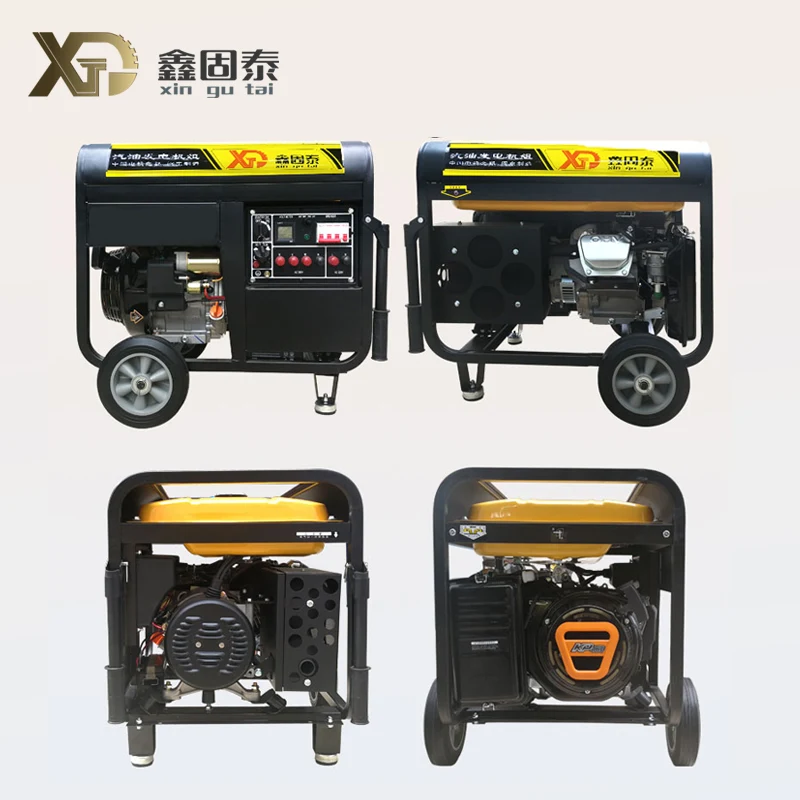
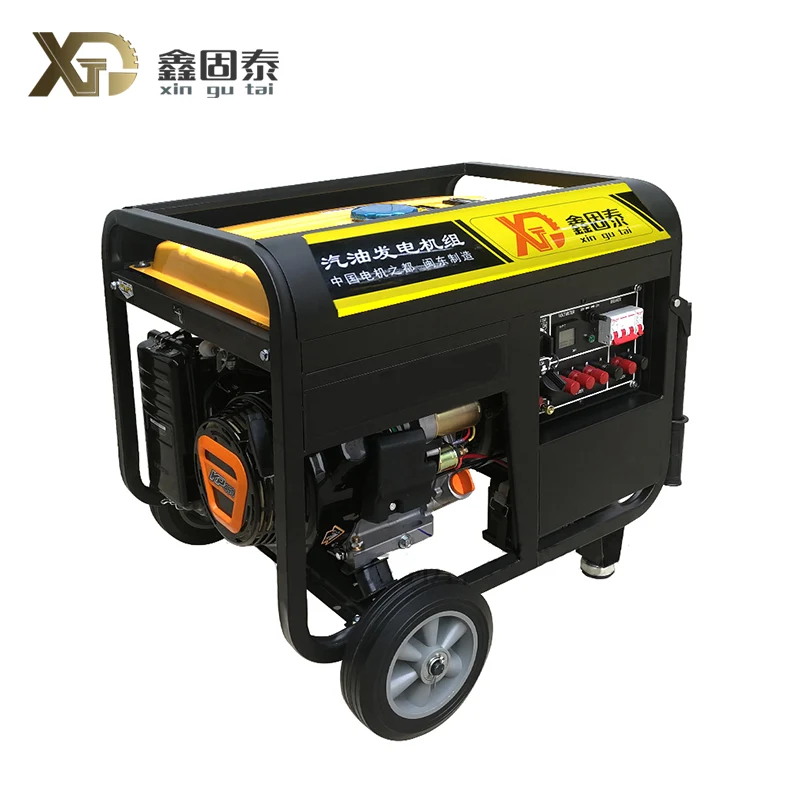
To deliver stable electricity, a household gasoline generator consists of several integrated mechanical and electrical components. Each part plays a specific role in the power generation process.
- Gasoline Engine
- Alternator
- Fuel Tank
- Voltage Regulator
- Control Panel
- Cooling System
- Frame and Protective Housing
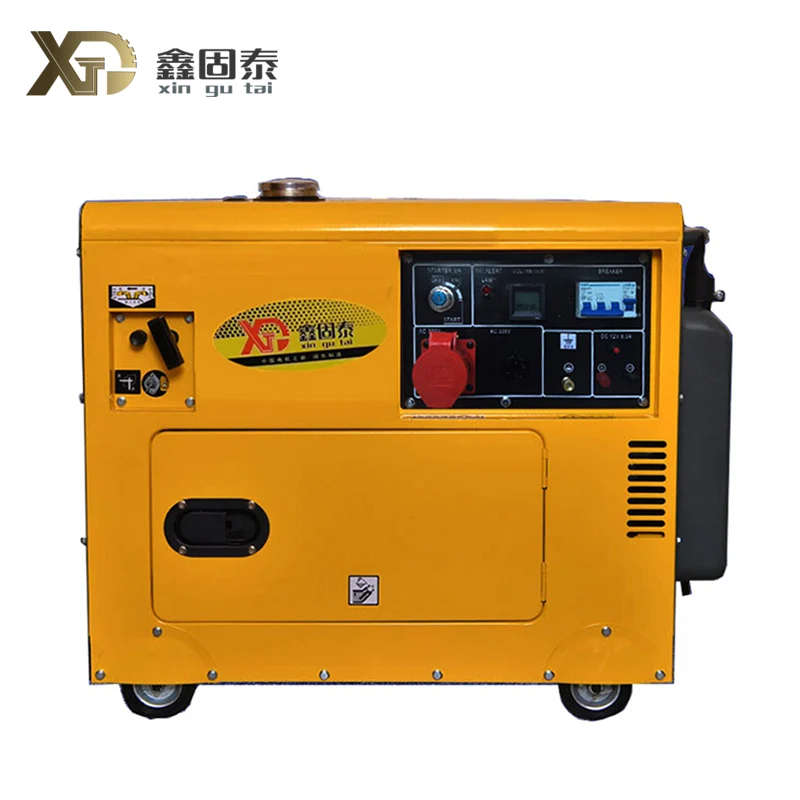
The gasoline engine is responsible for generating mechanical energy through fuel combustion. The alternator converts this motion into electrical power, while the voltage regulator ensures stable output voltage. The control panel allows users to start, stop, and monitor the generator's performance.
Manufacturers such as Gutai focus on optimizing these components to ensure durability, efficiency, and stable output performance for household applications.
============================================================
Typical Technical Parameters
Understanding generator specifications helps homeowners select equipment that matches their electricity requirements. Typical technical parameters include rated power, engine displacement, fuel capacity, and operating time.
| Parameter | Description |
| Rated Power | Continuous electrical output the generator can safely provide |
| Maximum Power | Peak output capacity available for short periods |
| Fuel Type | Standard gasoline used for engine combustion |
| Engine Type | Single-cylinder four-stroke gasoline engine |
| Fuel Tank Capacity | Determines how long the generator can operate continuously |
| Voltage Output | Common household output such as 110V or 220V depending on region |
| Start Method | Manual recoil start or electric start system |
| Operating Time | Average runtime at 50% load before refueling |
These parameters help determine whether the generator can handle the electrical load required by common household appliances.
============================================================
Key Advantages for Residential Use
Household gasoline generators offer several advantages that make them practical for emergency and occasional power supply.
- Quick startup during sudden outages
- Portable and easy to transport
- Lower installation requirements
- Reliable power generation technology
- Affordable purchase cost compared to larger standby systems
Another advantage is operational flexibility. These generators can be used not only for emergency power but also for outdoor activities, temporary work areas, and construction tasks where electricity access is limited.
Advanced models produced by Gutai emphasize improved fuel efficiency, stable voltage output, and durable engine construction, helping households maintain reliable electricity during critical moments.
============================================================
How to Choose the Right Generator for Your Home
Selecting a household gasoline generator requires evaluating several factors related to energy demand and usage conditions.
First, calculate the total wattage required to run essential appliances. Refrigerators, lighting, routers, and charging devices are often the highest priority during outages.
Second, consider generator portability and size. Portable generators are ideal for residential users who need flexible placement or occasional usage.
Third, evaluate runtime and fuel efficiency. A larger fuel tank allows longer operation without frequent refueling.
Important selection factors include:
- Rated power capacity
- Noise level during operation
- Fuel consumption rate
- Safety protection features
- Ease of maintenance
Carefully reviewing these factors ensures that the generator will meet household needs while remaining convenient and cost-effective to operate.
============================================================
Safe Operation and Maintenance Tips
Proper operation and maintenance significantly improve generator lifespan and safety.
Household gasoline generators should always be operated in well-ventilated outdoor areas to prevent carbon monoxide accumulation. Regular maintenance also ensures reliable performance during emergencies.
Recommended maintenance practices include:
- Checking engine oil before each use
- Cleaning air filters regularly
- Inspecting spark plugs periodically
- Draining old fuel if the generator remains unused for long periods
- Testing the generator occasionally to confirm proper function
Following these steps helps prevent unexpected failures and keeps the generator ready for immediate use during power outages.
============================================================
Frequently Asked Questions
Q1: How much power does a household gasoline generator usually provide?
Most residential gasoline generators provide between 1,000 and 7,000 watts of power, depending on the model and engine size. Smaller units are suitable for essential appliances, while larger models can support more household devices simultaneously.
Q2: How long can a gasoline generator run continuously?
Runtime depends on fuel tank capacity and electrical load. Many household generators can operate between 6 and 12 hours on a full tank when running at moderate load levels.
Q3: Is it safe to connect a generator directly to home wiring?
Direct connection should only be performed using a proper transfer switch installed by a qualified electrician. This prevents electricity from feeding back into the power grid and ensures safe operation.
Q4: How often should a generator be maintained?
Basic inspections should be performed before each use. Oil changes, filter cleaning, and spark plug inspections should follow the maintenance schedule recommended by the manufacturer.
============================================================
Conclusion
A household gasoline generator is an essential backup power solution that helps families maintain comfort, safety, and productivity during unexpected outages. By converting gasoline into reliable electrical energy, these generators provide quick emergency power for essential appliances and household systems.
With proper selection, safe operation, and routine maintenance, a high-quality generator can serve as a dependable energy source for many years. Manufacturers such as Gutai continue to develop efficient and durable household generators designed to meet modern residential energy demands.
If you are looking for a reliable household gasoline generator solution or need assistance choosing the right model for your home, feel free to contact us. Our professional team is ready to provide detailed product information, technical support, and customized recommendations to help you secure stable backup power whenever you need it.
Related News
- Characteristics of Yuchai generator set.
- Maintenance of 400KW diesel generator set.
- Advantages and functions of gasoline generator.
- Why Low Noise Gasoline Generators Are Gaining Popularity in Home Backup Power
- Why North America Holds ~40% of the Global Gasoline Generator Market as Extreme Weather Events Drive Backup Power Adoption
- How Can a Small Gasoline Generator Provide Reliable Power Anytime and Anywhere?
Leave me a message