How Low Noise Gasoline Generator Technology Improves Power Generation
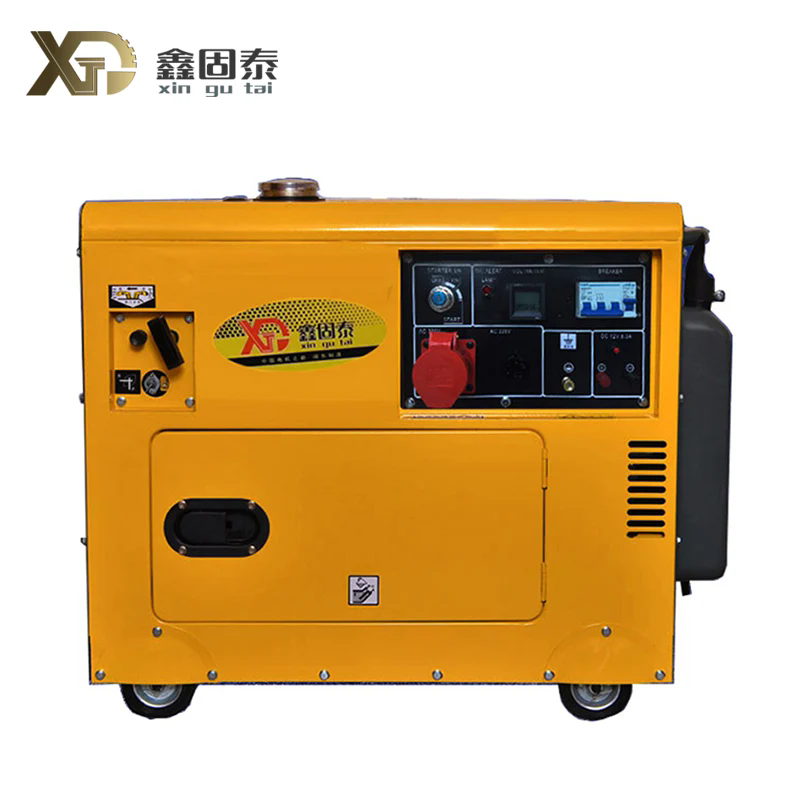
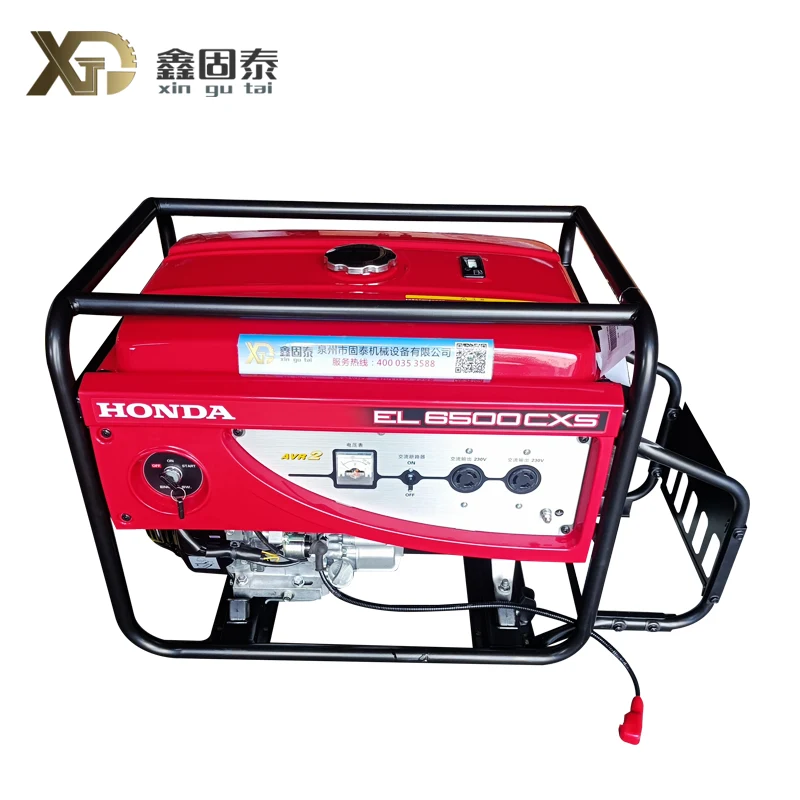
Low Noise Gasoline Generator technology is becoming an important area of development in the portable and standby power generation industry. As generators are increasingly used in residential areas, construction sites, outdoor activities, commercial facilities, and emergency power applications, noise control has become an important consideration alongside electrical output, fuel consumption, and operating reliability. Modern generator development therefore focuses not only on producing electricity but also on improving the overall operating environment.
The Relationship Between Noise Control and Generator Performance
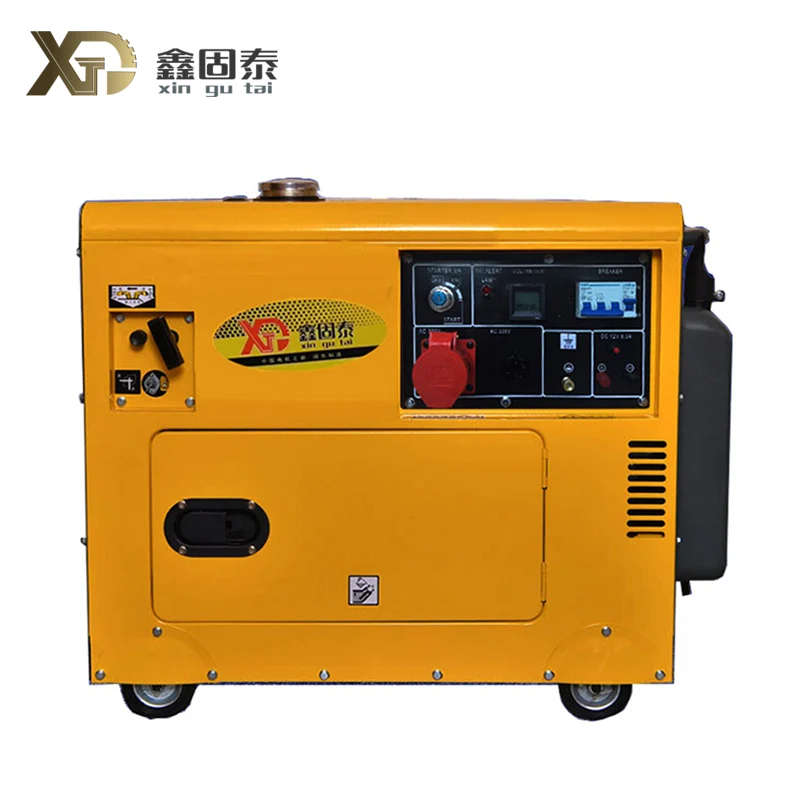
Noise in gasoline generators mainly comes from engine combustion, mechanical movement, exhaust gas discharge, cooling fans, and structural vibration. These sound sources are influenced by engine speed, load conditions, equipment design, and installation environments. Reducing noise requires a coordinated approach rather than relying on a single soundproofing component.
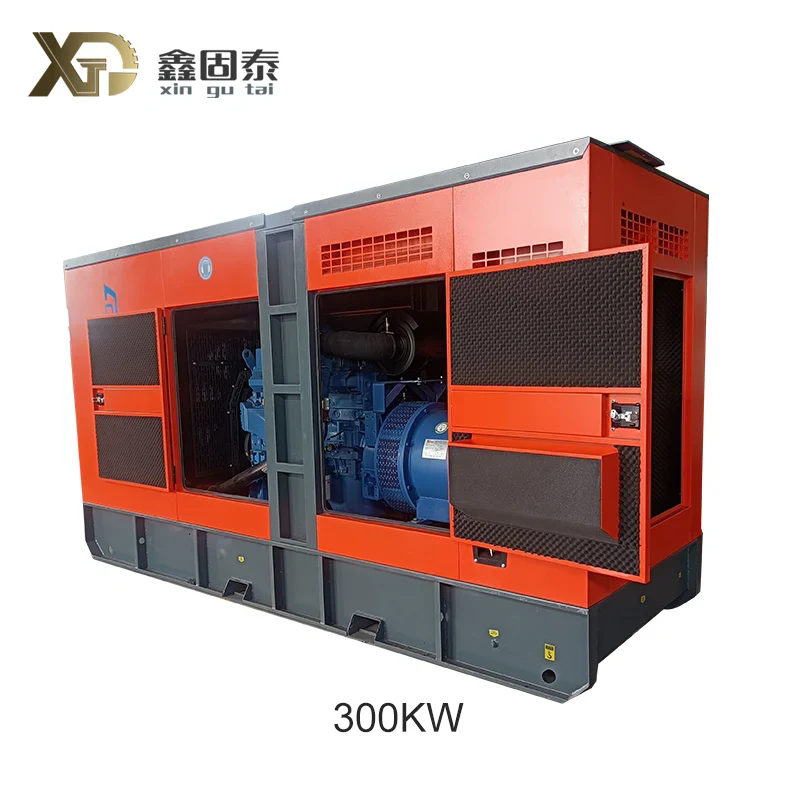
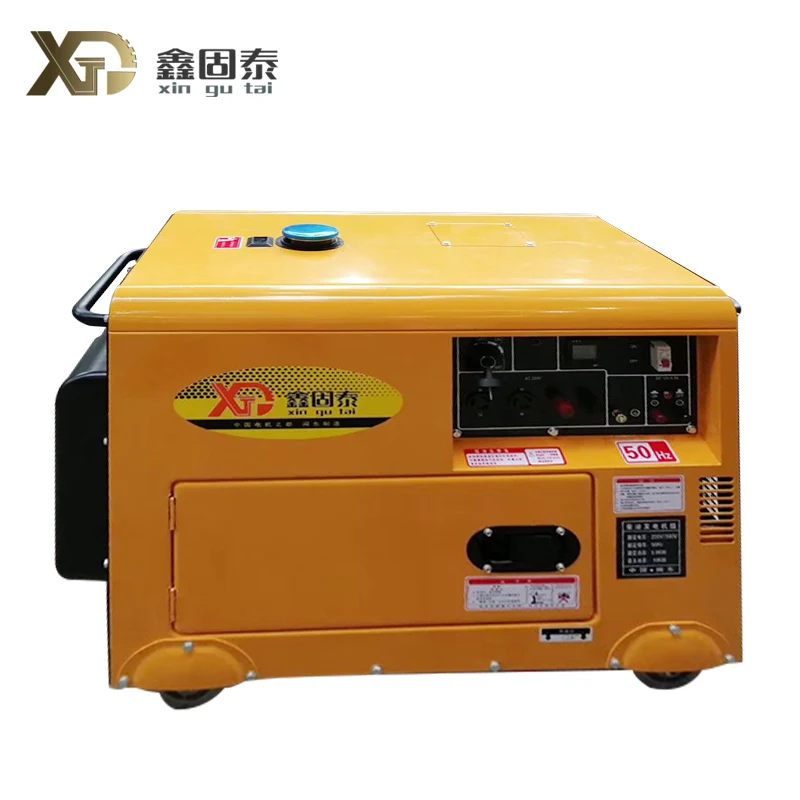
Manufacturers commonly use improved muffler structures, acoustic enclosures, vibration-damping materials, and optimized engine components to control operating noise. However, these measures must be carefully balanced with ventilation and heat dissipation requirements. An enclosure that restricts airflow may increase internal temperatures and negatively affect engine performance. Effective noise reduction therefore depends on combining acoustic design with appropriate thermal management.
How Engine Design Influences Power Generation Efficiency
Engine performance is a fundamental factor in determining the stability and efficiency of gasoline-powered generators. Combustion quality, ignition timing, air intake, and fuel delivery all influence how effectively chemical energy is converted into mechanical power. Improvements in these areas can help reduce unnecessary fuel consumption and maintain more consistent operation under suitable working conditions.
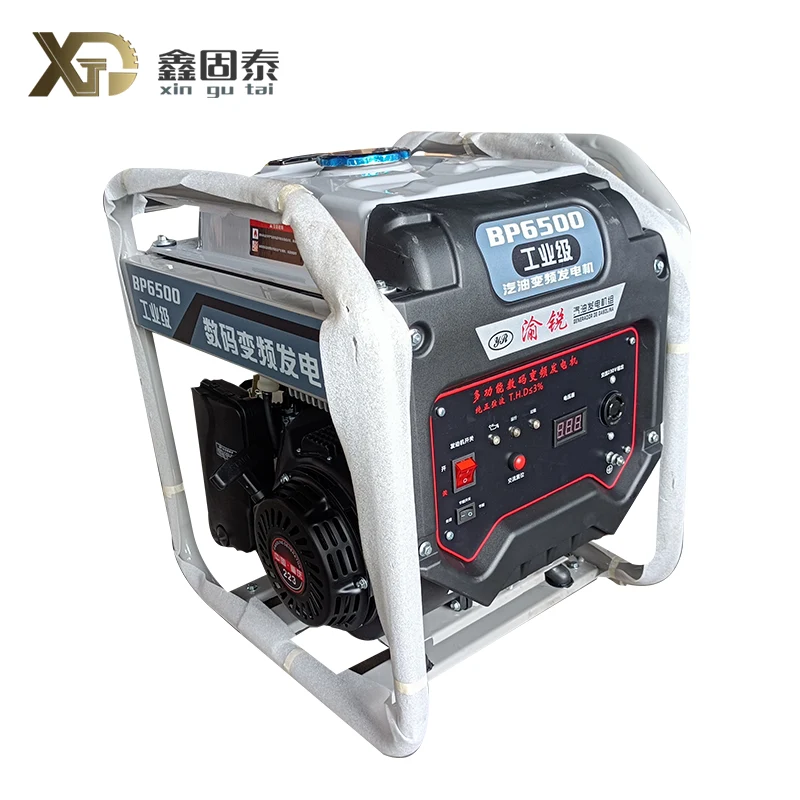
Engine speed regulation is another important consideration. Conventional generators generally operate at a relatively fixed speed to maintain the required electrical frequency. Inverter generators use electronic conversion systems that can adjust engine speed according to electrical demand in suitable operating conditions. This approach may reduce fuel consumption and noise during periods of lower power demand, although actual results depend on generator design and load characteristics.
The Importance of Load Matching and Electrical Stability
Operating a generator within an appropriate load range is essential for reliable electricity production. Continuous operation at very low loads may result in inefficient fuel utilization in some engine designs, while excessive loads can increase engine temperature, mechanical stress, and fuel consumption. Selecting a generator with an output capacity that matches the connected equipment helps establish more stable operating conditions.
Electrical components also influence the quality of generated power. Alternators, voltage regulation systems, and inverter modules work together to provide electricity suitable for different applications. Voltage stability is particularly important for electronic equipment, communication devices, and household appliances. Regular inspection of electrical connections and protection systems helps identify potential operating problems before they affect power supply reliability.
Applications in Residential and Outdoor Environments
The demand for quieter portable power equipment is closely connected to changes in how electricity is used. Residential backup systems require consideration of nearby occupants, while camping, outdoor events, and mobile work environments often operate in locations where excessive noise can disturb other people. Construction and maintenance activities may also benefit from equipment that reduces unnecessary environmental noise.
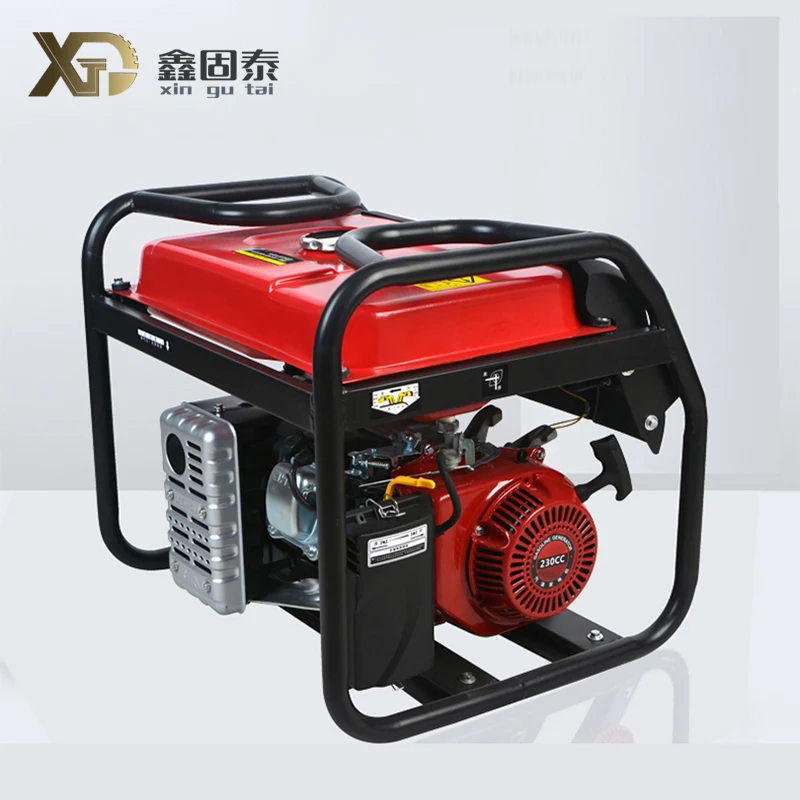
A Low Noise Gasoline Generator can address these requirements through the combination of engine optimization, exhaust noise reduction, vibration isolation, and enclosure design. Nevertheless, noise performance should be evaluated using clearly defined measurement conditions. Sound pressure levels can vary depending on measurement distance, operating load, surrounding surfaces, and environmental conditions. Comparing specifications without considering these factors may lead to misleading conclusions.
Maintenance and Operating Conditions Remain Important
Even well-designed generators require regular maintenance to maintain consistent performance. Air filters, spark plugs, fuel systems, engine oil, exhaust components, and cooling passages should be inspected according to the manufacturer's maintenance schedule. Worn mechanical components or restricted airflow can increase vibration, operating temperatures, and noise levels.
Installation conditions are equally important. Generators should be operated outdoors in accordance with manufacturer instructions, with sufficient clearance for ventilation and exhaust discharge. Carbon monoxide is a serious hazard associated with gasoline engine operation, so generators must never be operated inside homes, garages, or other enclosed spaces. Appropriate positioning also helps reduce noise transmission toward nearby residential or working areas.
Industry Development and Future Considerations
Future developments in gasoline generator technology are likely to focus on integrated improvements in acoustic engineering, electronic control, fuel management, and operational monitoring. Rather than treating noise reduction as an isolated feature, manufacturers are increasingly required to consider how sound levels, electrical performance, fuel efficiency, durability, and environmental conditions interact throughout the equipment's operating life.
For equipment designers, distributors, and end users, evaluating generator performance requires more than comparing rated output or advertised noise figures. Engine characteristics, power quality, continuous operating capacity, maintenance requirements, and independently measured sound levels provide a more complete basis for technical assessment. These considerations explain why Low Noise Gasoline Generator technology is becoming increasingly relevant to the development of practical, efficient, and environmentally considerate portable power solutions.
As power requirements continue to diversify, balancing acoustic performance, fuel utilization, electrical stability, and operating safety will remain central to the evolution of Low Noise Gasoline Generator technology.
Related News
- Characteristics of Yuchai generator set.
- Maintenance of 400KW diesel generator set.
- Advantages and functions of gasoline generator.
- Why Low Noise Gasoline Generators Are Gaining Popularity in Home Backup Power
- Why North America Holds ~40% of the Global Gasoline Generator Market as Extreme Weather Events Drive Backup Power Adoption
- How Can a Small Gasoline Generator Provide Reliable Power Anytime and Anywhere?
Leave me a message


News Recommendations